A contract clause, patient-facing sentence or product instruction has a job to do. It must be understood by the right reader, in the right context. That is why the process behind a translation matters as much as the final words.
A 2023 milestone with a practical purpose
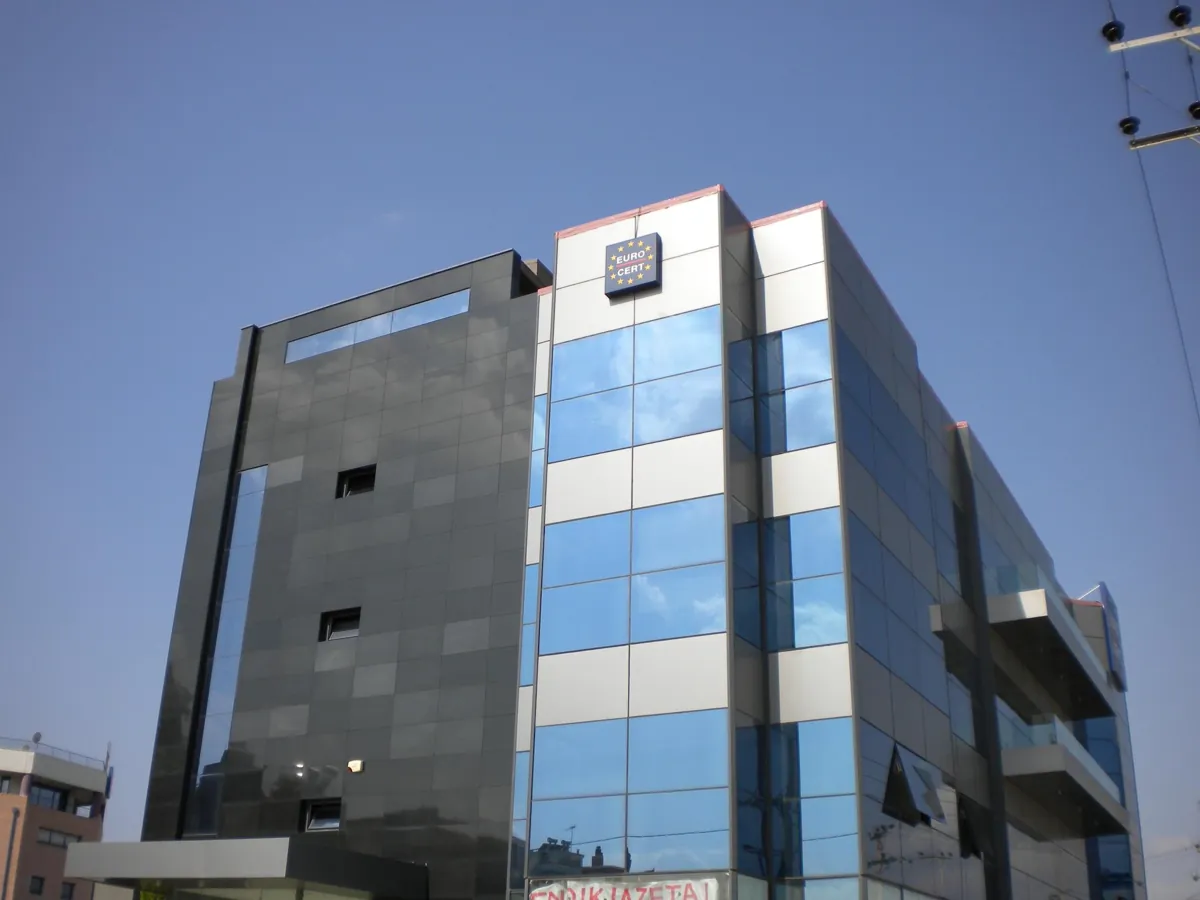
In March 2023, OMADA announced recertification by EUROCERT ↗ to ISO 9001:2015 and ISO 17100:2015. The scope stated on both certificates covered translation services, machine translation post-editing (MTPE) and terminology management. For a client, those labels become meaningful when they lead to clear responsibilities, the right specialists and a review plan that fits the material.
Two standards, two kinds of discipline
ISO 9001 addresses the organization’s quality management system: how work is planned, checked, improved and informed by client feedback. ISO 17100 sets requirements for the resources and core process used to deliver professional translation services. In an ISO 17100 translation workflow, translation and revision are distinct steps performed by suitably qualified people.
The certificate scope also names MTPE and terminology management. They are important parts of OMADA’s service portfolio, but raw machine-translation output followed by post-editing is outside the scope of ISO 17100’s translation-service requirements. We define and describe the applicable workflow for each brief rather than suggesting every service follows an identical route.
What you should see in your own project
- A brief that goes beyond language pairs. We ask who will read the content, what it must achieve, which files and references are authoritative, and when it is needed.
- People matched to the subject. Legal, medical, institutional and technical content call for relevant subject knowledge as well as language skill.
- Terms that stay under control. Approved terminology and reference material help a product name, legal concept or clinical term remain consistent across files and updates.
- Review that has a purpose. We agree the level and type of checks before work begins, including qualified revision for a translation service to be delivered under ISO 17100.
- A clear handover. The final file should be ready for its intended use, with questions and decisions resolved rather than hidden in the text.
Three questions worth asking before you commission a translation
Who will work on the content and who will review it? How will key terms and source updates be handled? What happens if an ambiguous passage or a change in scope appears? Good answers make the service easier to evaluate before a deadline makes choices harder.
← Back to News & archive